

Introduction
In the ever-growing world of online retail, many entrepreneurs are looking for ways to quickly and efficiently set up their ecommerce stores. One way to do so is by opting for a turnkey ecommerce store, which is a pre-built online store that has all the necessary components already in place. In this article, we dive into the world of turnkey ecommerce solutions and explore the benefits they offer to businesses looking to make their mark in ecommerce quickly and effectively.
What is a Turnkey Ecommerce Store?
A turnkey ecommerce store is a pre-built, ready-to-go online store that requires minimal effort and time to set up and start selling products. These stores come with pre-designed themes, essential features, and a functional back-end system already in place, making them an excellent choice for entrepreneurs with limited time, technical skills, or budget. All you need to do is customize the store to your liking, add your products, and start selling.
The Benefits of a Turnkey Ecommerce Store
1. Time-saving
One of the most significant advantages of using a turnkey ecommerce store is the time-saving aspect. Setting up an online store from scratch can take weeks or even months, depending on your skillset and the complexity of your desired site. With a turnkey store, you can significantly reduce the time spent on development and design, as most aspects are already taken care of.
2. Cost-effective
Building an ecommerce store from the ground up can be expensive, especially if you need to hire developers and designers. Turnkey ecommerce stores, on the other hand, are generally more affordable, as you’re buying a pre-built store with all the necessary components already in place. This can save you money on development costs and allow you to invest more in other areas of your business, such as marketing and inventory.
3. Professional Design
Turnkey ecommerce stores typically come with a professional and visually appealing design that’s tailored to your specific niche. This can help your store stand out among competitors and create a positive user experience for your customers, which can lead to increased sales and customer loyalty.
4. Scalability
Another advantage of turnkey ecommerce stores is the potential for scalability. As your business grows, you may require additional features and functionality to keep up with customer demands and business needs. Most turnkey ecommerce solutions are built with scalability in mind, allowing you to easily add new features and expand your store as needed, without the need for extensive redevelopment.
Streamlining Store Operations with Ecomprofithub
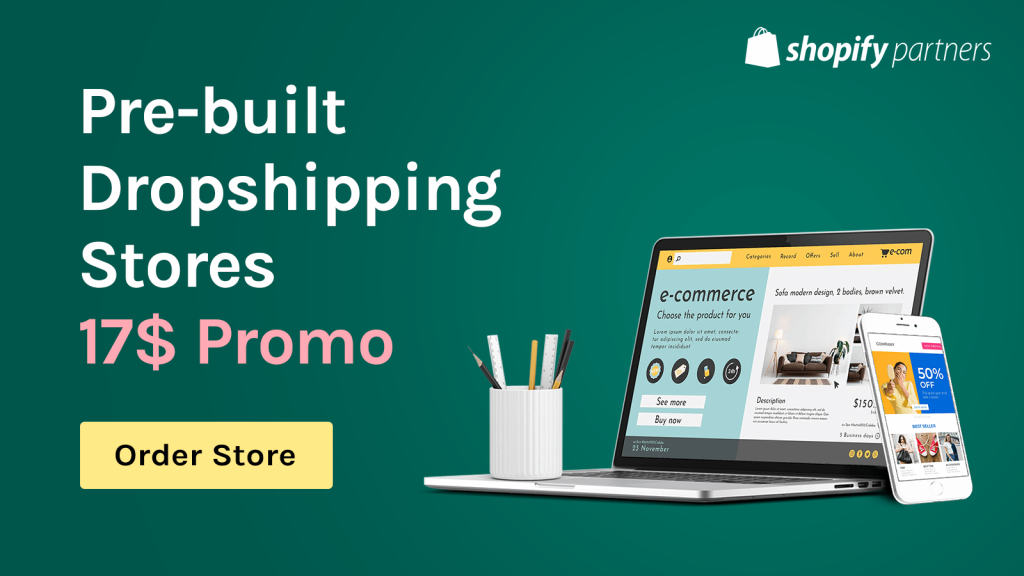
If you’re considering a turnkey ecommerce store as the perfect solution for starting your online retail business, Ecomprofithub can help. They offer a variety of amazing-looking Shopify stores that are fully pre-built and ready to accept orders. Their stores come with excellent design and functionality, making it easy for you to kickstart your ecommerce journey with a professional, scalable, and customized solution.
Turnkey Ecommerce Store Platforms
There are numerous platforms available for creating and managing turnkey ecommerce stores. Each platform has its own advantages and disadvantages, depending on your specific business needs. In this section, we’ll explore some of the most popular turnkey ecommerce platforms, discussing their features and benefits.
1. Shopify
Shopify is arguably one of the most popular turnkey ecommerce platforms available, known for its user-friendly interface, robust features, and scalable infrastructure. With a wide range of themes and plugins available, Shopify makes it easy for you to create a customized, professional store without any technical expertise. Some of its features include seamless payment processing, inventory management, marketing tools, and powerful analytics.
2. Wix
Wix is another popular turnkey ecommerce platform, offering a more general website builder with a strong focus on ecommerce functionality. This platform offers a simple drag-and-drop interface, making it easy for anyone to design and build their own online store. Some of the key features of Wix include a wide selection of customizable templates, product management, payment processing, and integrated marketing tools.
3. WooCommerce
WooCommerce is a popular ecommerce plugin for WordPress, giving users the ability to add ecommerce functionality to their existing WordPress website. This open-source solution offers a range of customization options and integrations, making it highly flexible based on your specific business needs. Some of the features of WooCommerce include product management, shipping options, payment processing, and a wealth of plugins for added functionality.
4. BigCommerce
BigCommerce is another well-known turnkey ecommerce platform that combines ease of use with a wide range of features and tools to help grow your online store. With a variety of customizable templates and an intuitive store-building interface, BigCommerce makes it easy for businesses of any size to create and manage their online store. Key features include product catalog management, marketing and SEO tools, payment processing, and integration with popular third-party apps and services.
5. Magento
Magento is a powerful open-source ecommerce platform for businesses that require a more customizable and scalable solution than your typical turnkey ecommerce store. Designed for enterprises or larger-scale operations, Magento offers a wealth of features and integrations to support even the most complex online stores. Some of its features include product and inventory management, customizable shopping cart, marketing and SEO tools, and a wide range of extensions and themes.
6. PrestaShop
PrestaShop is another open-source ecommerce platform that offers a user-friendly interface, making it easy to create and manage an online store. It comes with over 300 built-in features, including product management, customizable templates, payment processing, and SEO tools. PrestaShop is highly modular and scalable, allowing you to add additional features and functionality through its extensive library of modules and extensions.
How to Choose the Right Turnkey Ecommerce Store Platform
With so many different turnkey ecommerce platforms available, it can be challenging to determine which one is the best fit for your business. Here are a few factors to consider when choosing the right platform for your store:
1. Budget
Consider your budget and the cost of using the platform. Some turnkey ecommerce platforms are more affordable than others, so it’s essential to find one that fits within your budget while still offering the features you need.
2. Features and Functionality
Evaluate the features and functionality offered by each platform. Make sure the platform you choose has the tools and features necessary to support your business’s specific needs.
3. Scalability
As your business grows, you want your ecommerce platform to grow with you. Choose a platform that can accommodate your increasing needs without requiring extensive redevelopment or migration.
4. Ease of Use
Consider the user-friendliness of each platform. The easier it is to use, the more efficient you’ll be when managing your store.
5. Customer Support
Review the level of customer support provided by the platform. Responsive, helpful support can make the difference between a successful store and an unsuccessful one.
Preparing Your Turnkey Ecommerce Store for Launch
Once you’ve chosen the perfect turnkey ecommerce platform for your business, there are a few crucial steps to take before launching your store:
1. Customize Your Store’s Design
Although turnkey ecommerce stores come with a pre-built design, it’s essential to personalize your store to reflect your brand’s unique identity. Customize your chosen theme by adjusting colors, fonts, logos, and other design elements to make your store stand out from the competition.
2. Add Your Products and Product Information
Before launching your store, make sure to add your products and provide accurate product information, including descriptions, images, and pricing. This will help customers make informed purchasing decisions and increase the likelihood of sales.
3. Set Up Payment and Shipping Options
Ensure that your store is set up with the correct payment processing and shipping options for your target audience. This will make it easy for customers to complete their purchases and receive their orders, fostering a positive customer experience.
4. Configure SEO Settings and Optimize Your Store
Optimize your store for search engines by configuring your store’s SEO settings and creating keyword-rich content that highlights the unique benefits of your products. This will help drive traffic to your site and increase sales.
5. Test Your Store
Before launching, make sure to thoroughly test your store to ensure everything is functioning properly. This includes testing the checkout process, shipping options, and any additional features, such as email marketing or customer reviews.
Marketing and Promoting Your Turnkey Ecommerce Store
Once your turnkey ecommerce store is set up and ready to launch, it’s essential to implement effective marketing strategies to drive traffic, generate sales, and grow your online presence. Here are some valuable tips and tactics for promoting your store:
1. Use Social Media to Your Advantage
Social media platforms like Facebook, Instagram, Twitter, and Pinterest can be incredibly powerful tools for promoting your ecommerce store. Develop a social media strategy to share high-quality content that engages your target audience, showcases your products, and drives traffic back to your store.
2. Leverage Email Marketing
Email marketing is an excellent way to stay connected with your customers, promote special offers or sales, and drive repeat business. Build and maintain an email list by offering visitors an incentive to sign up, such as a discount code or free shipping on their first purchase.
3. Create Valuable Content
Content marketing can boost your store’s online visibility and establish your brand as an authority in your industry. Create engaging, informative content (e.g., blog posts, videos, infographics) that provide value to your audience and help boost your store’s SEO.
4. Optimize Your Store for Mobile
A large percentage of online shoppers now use mobile devices for shopping, so it’s critical to ensure your store is mobile-optimized. This will not only improve the user experience but also positively impact your search engine rankings.
5. Implement Google Ads and Social Media Advertising
Paid advertising through platforms such as Google Ads and Facebook Ads can be an effective way to drive targeted traffic to your store. Allocate a part of your marketing budget for paid advertising and continually optimize your campaigns to maximize your return on investment.
6. Encourage Customer Reviews
Positive customer reviews can significantly influence potential buyers and improve your store’s credibility. Encourage satisfied customers to leave reviews by providing an easy way to submit them, and even offer incentives like discounts on future purchases for taking the time to leave a review.
Conclusion
A turnkey ecommerce store can be a game-changer for entrepreneurs looking to break into the world of online retail quickly and efficiently. By choosing the right turnkey ecommerce platform, customizing the store design to fit your brand, and executing an effective marketing strategy, you can set yourself up for long-term success in ecommerce.
When selecting a turnkey ecommerce solution, remember the many benefits such as time-saving, cost-effectiveness, professional design, and scalability. Ecomprofithub is an excellent place to start, offering a wide range of pre-built Shopify stores that are ready to accept orders and tailored to your specific niche.
With careful planning and strategic marketing efforts, your turnkey ecommerce store can become a thriving online business that attracts customers, generates sales, and grows alongside your ambitions. Take advantage of the convenience and benefits of a turnkey ecommerce store and set yourself on the path to success in the world of online retail.